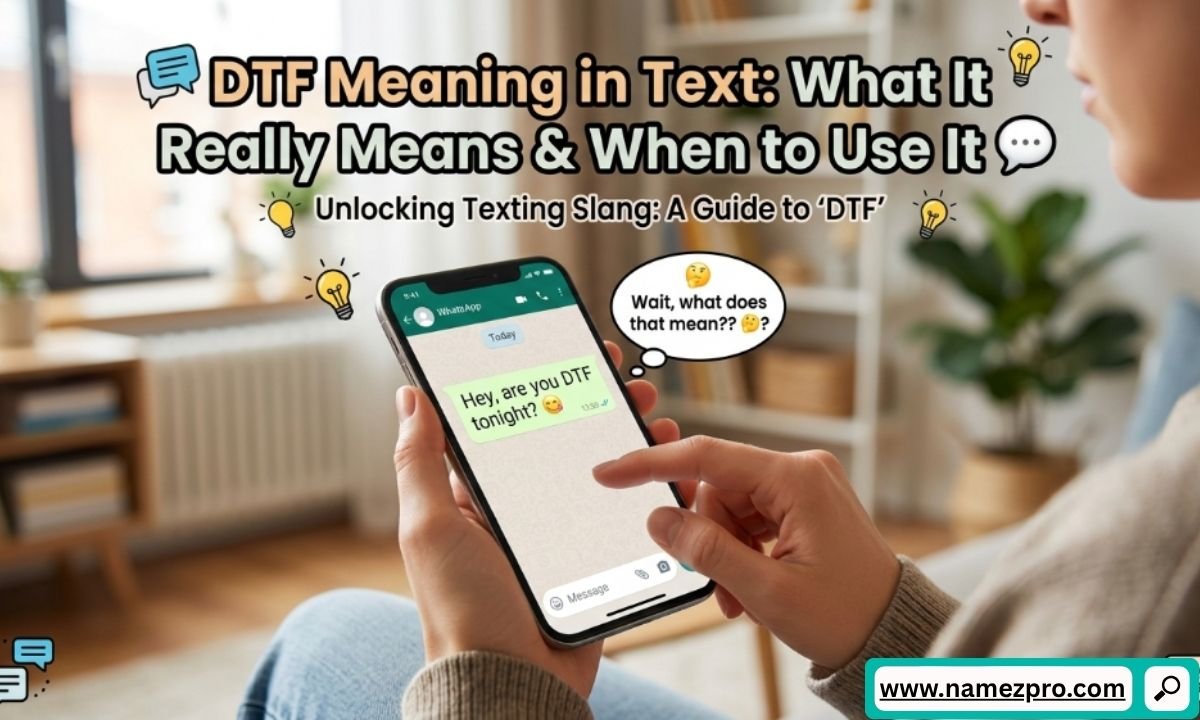
Picture this: you match with someone on a dating app, chat for a few days. Then one night your phone buzzes with “hey, you around later? kinda hoping you’re DTF tonight.” Your stomach does a little flip. You know it isn’t asking about dinner plans, but you’re not sure what to type back. If this sounds familiar, you’re exactly who this guide is for. The short version of DTF meaning in text is “Down To F,” followed by a blunt word for sex. It shows up constantly on dating apps, in DMs, and in group chats where nobody wants to spell things out directly.
Here’s the thing: knowing the definition is only half the job. The real skill is knowing when it’s harmless and when it’s a red flag. It’s also knowing what to say back without overthinking it for twenty minutes. This guide breaks down DTF meaning in texting from every angle worth knowing. That includes a few angles other guides online skip entirely.
Whether the message showed up on Tinder, Snapchat, or in a group chat where a friend used the acronym as a joke, this piece has you covered. It breaks down the real definition, the history behind it, and how the tone shifts by platform and generation. It also covers exactly what to type back depending on what a reader wants. No filler, no vague dodging around the actual word. Just a clear, useful breakdown of dating slang most people encounter sooner or later.
What Does DTF Mean in Text?
In plain terms, DTF meaning in text comes down to one thing. It’s a person signaling they’re open to a casual sexual encounter, often with little or no interest in anything more serious. The letters stand for “Down To,” followed by a crude verb for sex. Most people who use it skip spelling the verb out entirely, since the abbreviation does the job fine on its own.
You might be wondering why an acronym caught on instead of saying it outright. Texting rewards short, fast phrases. DTF slang lets people signal intent without writing something awkward to type or read aloud. It’s blunt by design. There’s little ambiguity about the interest level once someone types it. That’s exactly why it works so well in fast-moving conversations like dating app messages or late-night DMs.
A few things worth knowing about the tone:
- It’s almost always informal, never something you’d see in a work email or a text to your grandmother.
- The delivery ranges from playful to completely direct, depending on who’s sending it.
- It carries a heavier, more explicit weight than softer dating slang like “hanging out” or “seeing where things go.”
Because of this directness, DTF text meaning isn’t something to toss into a first conversation with a stranger. It works best between people who already share some rapport. At minimum, both people need a shared understanding of what the conversation is about.
Where Did DTF Come From?
DTF slang didn’t start on a phone screen. The full phrase existed in spoken conversation long before texting turned it into three letters. It floated around casual dating and hookup culture for years before anyone shortened it.
The shift happened once dating apps entered the picture. Early platforms like Tinder and OkCupid gave people a fast, low-commitment way to signal interest. Abbreviations spread fast because nobody wants to type a full sentence during a five-message exchange. Around the same stretch, reality TV, song lyrics, and internet memes kept the phrase in circulation. That pushed it from a regional expression into something almost everyone recognized.
What made it stick wasn’t complicated:
- It’s short enough to type in two seconds.
- It gets understood immediately by anyone plugged into internet slang.
- It fits neatly into hookup culture, where directness gets treated as a feature, not a flaw.
By the time smartphones and dating apps became the default way people met, DTF meaning in texting had cemented itself. It became one of the most recognized pieces of dating app slang around, right alongside terms like FWB and NSA. This isn’t new slang. It’s slang still going strong, decade after decade, platform after platform.
Read Also: Daum Meaning Explained: Text, Chat & Social Media Uses
DTF Meaning on Tinder, Bumble, Snapchat, and More
Here’s something most guides skip: DTF meaning on Tinder isn’t quite the same as DTF meaning on Snapchat. Treating every platform the same way leads people into trouble.
On Tinder and similar swipe-based apps, the term shows up often. Sometimes it’s in a bio, sometimes a few messages into a conversation. Since these platforms are built around casual matching, DTF meaning in text tends to land as expected here. Still, plenty of users find it forward for an opening message.
Bumble skews different. The app markets itself around more respectful, woman-first interactions. That means an unprompted DTF message from a stranger has a higher chance of getting you unmatched or reported.
Snapchat and Instagram DMs bring their own risk. DTF meaning on Snapchat often comes attached to disappearing messages. That makes some people feel bolder than they’d be over a normal text. DTF meaning on Instagram usually shows up in DMs rather than comments. Nobody wants this particular conversation sitting in public.
Two examples of how this plays out in real chats:
On Tinder: “not looking for anything serious rn, more DTF if you’re around this weekend” On Snapchat: “lol you’re kinda giving DTF energy in your last snap”
OkCupid slang leans more conversational, since the app has historically encouraged longer profiles. DTF tends to show up mid-conversation here rather than as an opener. Discord and WhatsApp see a different pattern. DTF mostly shows up as a joke between friends, since those spaces aren’t built for meeting strangers. DTF meaning on TikTok mostly lives in comment sections and captions. It’s used for humor around a video rather than any real invitation.
The takeaway: platform shapes how the message lands. What reads as normal on a hookup-focused app can come across as careless somewhere else. It might even feel alarming on a platform built around a different kind of interaction.
Gen Z vs. Millennial: Who Uses DTF, and How?
Millennial slang and Gen Z slang don’t always overlap. DTF is a solid example of a term both generations use, in different ways.
Millennials tend to treat DTF as a fairly literal, straightforward signal. When a millennial texts it, there’s usually a real question behind it. It often shows up after some back-and-forth rather than as an opening line.
Gen Z slang stretches the same three letters into something far more flexible. It shows up ironically nearly as often as it shows up straightforward. Someone might joke about being “DTF” for coffee or a nap instead of anything sexual. This generational stretching explains why context matters so much. A twenty-year-old typing DTF in a group chat about brunch plans likely isn’t signaling anything at all. The same letters sent one-on-one late at night usually are.
A short comparison of tone by generation:
| Generation | Typical Tone |
|---|---|
| Millennial | Direct, mostly literal, tied to genuine interest |
| Gen Z | Flexible, often ironic or exaggerated for humor |
If your audience skews younger, don’t assume every DTF text carries weight. If it’s an older crowd, assume it usually does. Reading the room, and the generation behind the message, saves a lot of confusion down the line.
Here’s what the ironic Gen Z version looks like in practice:
Friend: “brunch at 11? I’m starving” Reply: “so DTF for pancakes it’s embarrassing”
Nobody reading this exchange thinks anything sexual is happening. Context, tone, and the relationship between the two texters make the joke obvious instantly. That’s exactly why this generational flexibility matters so much when trying to read a message correctly.
Read Also: Cuh Meaning: What Does Cuh Mean in Slang, Texting, and on TikTok
Other Meanings of DTF (Yes, Including a Real One)
DTF meaning isn’t limited to dating. Context changes everything, and a couple of these alternate meanings are worth knowing before assuming the worst.
The joke versions show up in casual texting between friends who already know the original definition. They’re just playing with it. “Down To Food” after a rough morning, or “Down To Fight” dropped into a gaming chat — these both lean on the acronym for a laugh. It’s not meant literally.
Then there’s the meaning most slang guides skip entirely: Direct to Film. In the printing and apparel industry, DTF refers to a transfer method used to print designs onto t-shirts and other fabric. This use has grown fast enough that plenty of small business owners now search this exact acronym. They have zero interest in dating slang whatsoever. Anyone shopping for a DTF printer, DTF film, or DTF transfer supplies is looking at equipment listings and product reviews. That search intent is nowhere near the dating definition covered in the rest of this guide.
| Term | What It Means |
|---|---|
| DTF (dating slang) | Down to have casual sex |
| DTF (joke slang) | Down To Food, Down To Fight, Down To Flex, Down To Fun |
| DTF (printing/business) | Direct to Film, a fabric transfer printing method |
The lesson here is simple: DTF acronym meaning depends heavily on where it shows up. A t-shirt supplier’s website mentioning DTF is talking about printing equipment, not dating. A friend texting “DTF for tacos?” is joking. Someone from a dating app asking “you DTF?” out of nowhere is almost always using the original, more explicit meaning. When the context is dating, texting, or social media, assume the direct definition unless something in the conversation signals otherwise.
Read Also: ISG Meaning in Text: What This Popular Slang Really Means
DTF vs. NSA, FWB, and Other Dating Slang
DTF doesn’t exist on its own. Dating app slang is full of overlapping abbreviations, and mixing them up leads to real miscommunication.
NSA (No Strings Attached) and FWB (Friends With Benefits) describe ongoing arrangements without commitment. DTF reads more like a one-time signal. Someone might be DTF tonight without wanting an NSA setup or an FWB relationship going forward. WYD (“what you doing”) lands softer — it’s often a lead-in question. “Netflix and chill” has drifted so far into meme territory that plenty of people now use it with zero sexual meaning at all.
| Term | Directness Level |
|---|---|
| DTF | High, explicit intent |
| NSA | High, but implies an ongoing arrangement |
| FWB | Medium, implies a repeated, defined arrangement |
| WYD | Low, mostly an opener |
| Netflix and chill | Low to medium, meaning shifts a lot by context |
| ONS (One Night Stand) | High, but describes the event after it happens rather than a request |
ONS is the term people reach for once something DTF-related already happened, rather than a signal sent beforehand. Keeping these labels straight prevents mixed-signal texting. Otherwise, one person might assume a single night while the other assumes an ongoing arrangement.
Common Mistake: Treating “Netflix and chill” and DTF as interchangeable. One might be an honest movie night. The other almost never is.
Here’s how the difference plays out in a real conversation:
Person A: “wyd tonight” Person B: “nothing rn, why” Person A: “honestly wondering if you’re DTF later”
Notice how WYD opened the door gently, while DTF closed the ambiguity fast. Knowing this difference matters for reading intent accurately. Assuming every casual dating message carries equal weight leads to mixed signals on both sides.
How to Respond to a DTF Text
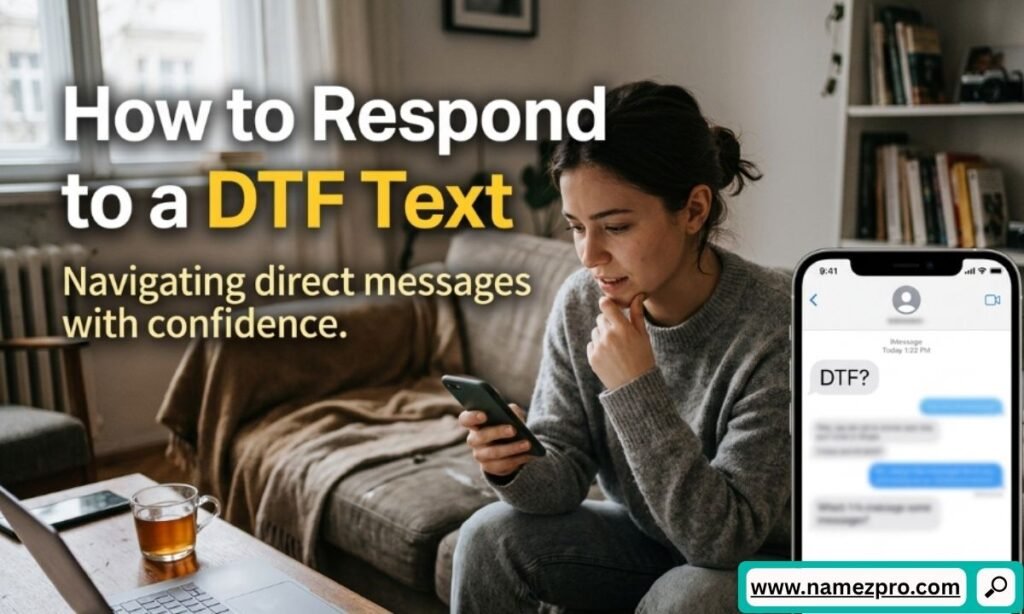
Getting a DTF message doesn’t require a perfect comeback. It requires a response matching what someone genuinely wants. Going along with something just to dodge awkwardness tends to backfire later.
If you’re interested, a simple, clear reply works well:
Text received: “hey you around later? kinda hoping you’re DTF tonight” Your reply: “yeah I’m down, what did you have in mind?”
If you’re not interested, a short, honest no works better than ghosting:
Text received: “you DTF this weekend?” Your reply: “nah, not what I’m looking for, but thanks for asking”
If you’re unsure, ask for clarity instead of guessing:
Text received: “so are you DTF or nah” Your reply: “depends, are we talking tonight or in general lol”
If the message feels off, or it came from someone you barely know, you’re allowed to set a boundary. You don’t need to over-explain it:
Text received (from a stranger): “you seem DTF ngl” Your reply: “not into getting messages like this from someone I haven’t talked to, please don’t message me this way again”
A few practical habits help beyond wording. Screenshot anything harassing before you block, in case a report becomes necessary. Trust your gut if a conversation shifts from flirty to pushy after a first no. Ignoring a message counts as a valid response too. Nobody owes a reply simply because a message got sent. Neither side owes the other a yes just because the question got asked directly.
Consent and comfort matter more than a clever comeback. Honesty about what someone wants protects both people involved far better than a witty line ever will. Respect for the other person’s boundaries, and your own, should shape the reply more than any pressure to sound cool about it.
Does DTF Mean the Same Thing in the US and UK?
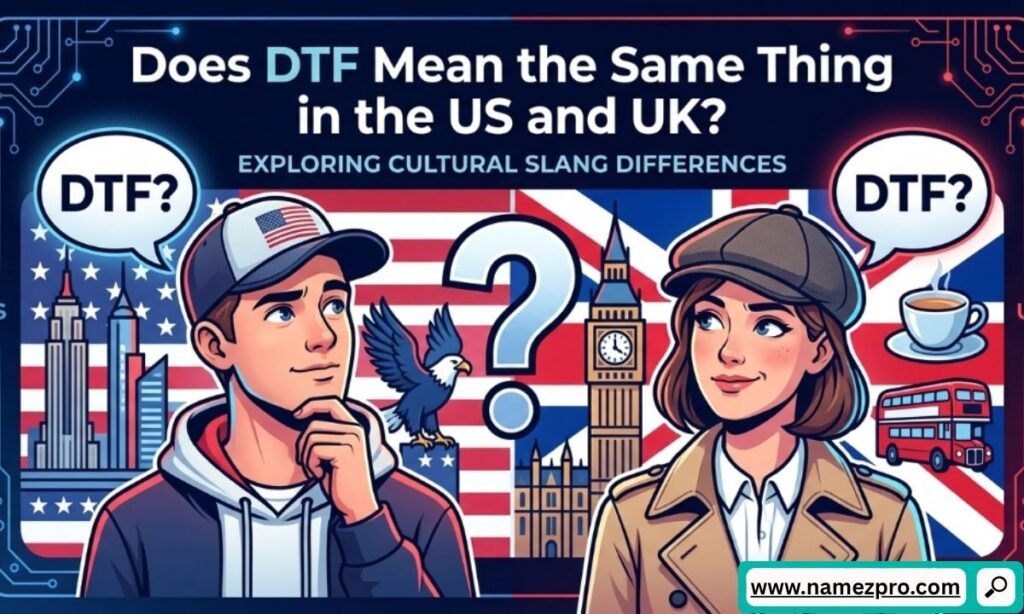
Short version: the core definition travels well. DTF meaning in text reads the same whether the text comes from Chicago or Manchester. American dating app culture heavily shaped how the term spread online in the first place.
A few small differences show up regardless. British slang tends to soften blunt phrases with humor more often than American slang does. A UK-based text using DTF leans slightly more toward a joking tone, especially among younger texters. American usage, particularly within Gen Z slang and millennial slang circles, stays closer to the literal meaning more often.
Dating apps themselves don’t shift much by region either. Tinder slang, Bumble slang, and general dating app slang look nearly identical whether the app gets used in London or Los Angeles. These platforms and their user bases overlap heavily, and slang spreads fast across social media regardless of border.
For anyone texting someone from a different country, the safest approach stays the same everywhere. Don’t assume tone from geography alone. Read the actual conversation, the platform, and the relationship already in place. That’s how you decide how direct or joking a DTF message is meant to be. A UK teenager joking around with friends and a US adult messaging a dating app match are using the same three letters for two different purposes. Geography alone won’t tell you which one you’re dealing with. Australian and Canadian texting culture follows a nearly identical pattern to both. English-language social media and dating apps blend usage across these markets faster than any regional slang manages to stay separate for long.
Read Also: ASL Meaning in Text: What This Popular Acronym Really Means
When You Shouldn’t Use DTF (and What to Say Instead)
Knowing the definition doesn’t mean it belongs in every conversation. Plenty of situations exist where DTF text meaning works against the sender instead of for them.
Skip it in these situations:
- Work chats or anything a coworker or manager might see
- A first message to someone never spoken with before
- Family group texts or anything with mixed company
- Any conversation where the other person hasn’t shown clear interest first
For expressing similar interest without the bluntness, softer phrasing gets the point across well:
“are you looking for something casual, or more serious?” “what are you hoping to find on here?” “not looking for anything too serious right now, are you?”
These options communicate the same general idea: casual interest without commitment. They skip the shock value that can make someone feel cornered. They also leave room for the other person to answer honestly instead of reacting defensively to a blunt opener.
Texting slang works best when it matches the relationship already in place. DTF might be the fastest way to ask a direct question, but fastest isn’t always best. That’s especially true early in a conversation, or with someone whose comfort level remains unknown. When in doubt, a little more sentence and a little less acronym goes a long way. It keeps the conversation comfortable for both people involved.
Romantic slang in general works this way. Terms like “situationship,” “talking stage,” or “soft launch” all carry a lighter, more approachable tone than DTF. Reaching for one of those instead often opens a conversation rather than putting someone on the spot.
Frequently Asked Questions
What does DTF mean in a text message?
DTF meaning in text is “Down To F,” short for being open to a casual sexual encounter. It’s blunt by design and shows up almost exclusively in dating, hookup, or flirty conversations rather than everyday chat.
Is DTF always about sex, or is it sometimes a joke?
Most of the time it’s literal. That’s especially true between people who don’t know each other well, or who met through a dating app. Among friends, it stretches into a joke sometimes, like “DTF for tacos,” where the sexual meaning gets set aside entirely.
What’s the polite way to say no to a DTF text?
A short, honest reply works best, something like “not what I’m looking for, but thanks for asking.” No lengthy explanation is needed for a simple no, and a direct answer respects everyone’s time.
Does DTF mean something different in printing or business?
Yes. In the apparel and printing industry, DTF stands for Direct to Film — a transfer method used to print designs onto fabric. This meaning has nothing to do with dating slang.
Is it OK to text someone “DTF” first?
It depends on the relationship and platform. It’s more accepted on hookup-focused apps between people with existing rapport. It’s far riskier as an opener sent to a stranger who hasn’t shown interest yet.
Bottom Line on DTF Meaning in Text
Getting a message like the one from the start of this guide doesn’t have to send anyone spiraling. The full DTF meaning in text is now clear — the literal definition, and how it shifts across Tinder, Snapchat, generations, and even the printing industry. Responding accurately instead of guessing gets a lot easier.
The short version: DTF slang signals direct, casual sexual interest, most often on dating apps or in flirty one-on-one texts. It isn’t the same as NSA, FWB, or softer dating terms like WYD. It lands differently depending on the platform, the generation of the sender, and the relationship already in place.
What this means going forward is simple. Every reader gets to decide how they respond — matching the energy, asking for clarity, or setting a firm boundary. None of those responses count as wrong. The only real misstep is replying based on what feels expected instead of what someone genuinely wants.
Slang like this keeps shifting. New acronyms show up, older ones fade. But the skill of reading context, tone, and platform before hitting send stays useful no matter what. This holds true for DTF meaning in text today. It’ll hold true for whatever new abbreviation shows up in a group chat next.